Weatherproofing Your Home: Essential Renovation Strategies for Every Season Jul 15, 2025
Start by looking at your home's exterior. The outer shell of your house bears the brunt of the weather, so it's vital to make sure it's up to the task. Inspect your roof for any missing shingles or damaged areas that might allow water or ice to seep in. Consider adding a waterproof underlayment as an additional barrier against moisture. Also, installing a quality gutter system is crucial in directing water away from your home and preventing erosion along your foundation.
Windows and doors are common culprits of energy loss and cold drafts. Upgrading to energy-efficient windows can drastically improve your home's insulation, cutting down on heating and cooling costs. Look for windows with a double or triple-glazed glass system that will provide optimal thermal insulation. Similarly, ensure that doors have adequate seals and weatherstripping to prevent air leaks. For added insulation and security, storm doors are a wise investment.
Insulation is another essential component of weatherproofing. It not only keeps your home warm in winter but also cool in summer. If your current insulation is old or insufficient, now might be the time to upgrade. Focus on attic insulation, as a significant amount of heat escapes through the roof. Loose-fill or batt insulation made of fiberglass or cellulose are popular choices due to their efficiency and cost-effectiveness.
Sealing the deal on weatherproofing means caulking cracks and gaps throughout your home. Pay special attention to areas around pipes, vents, and electrical outlets where drafts are common. Silicon-based caulks are durable and last longer, which means better protection for your home. Don’t forget to inspect the seal around your chimney. A compromised chimney seal is a direct path for water and pests into your home.
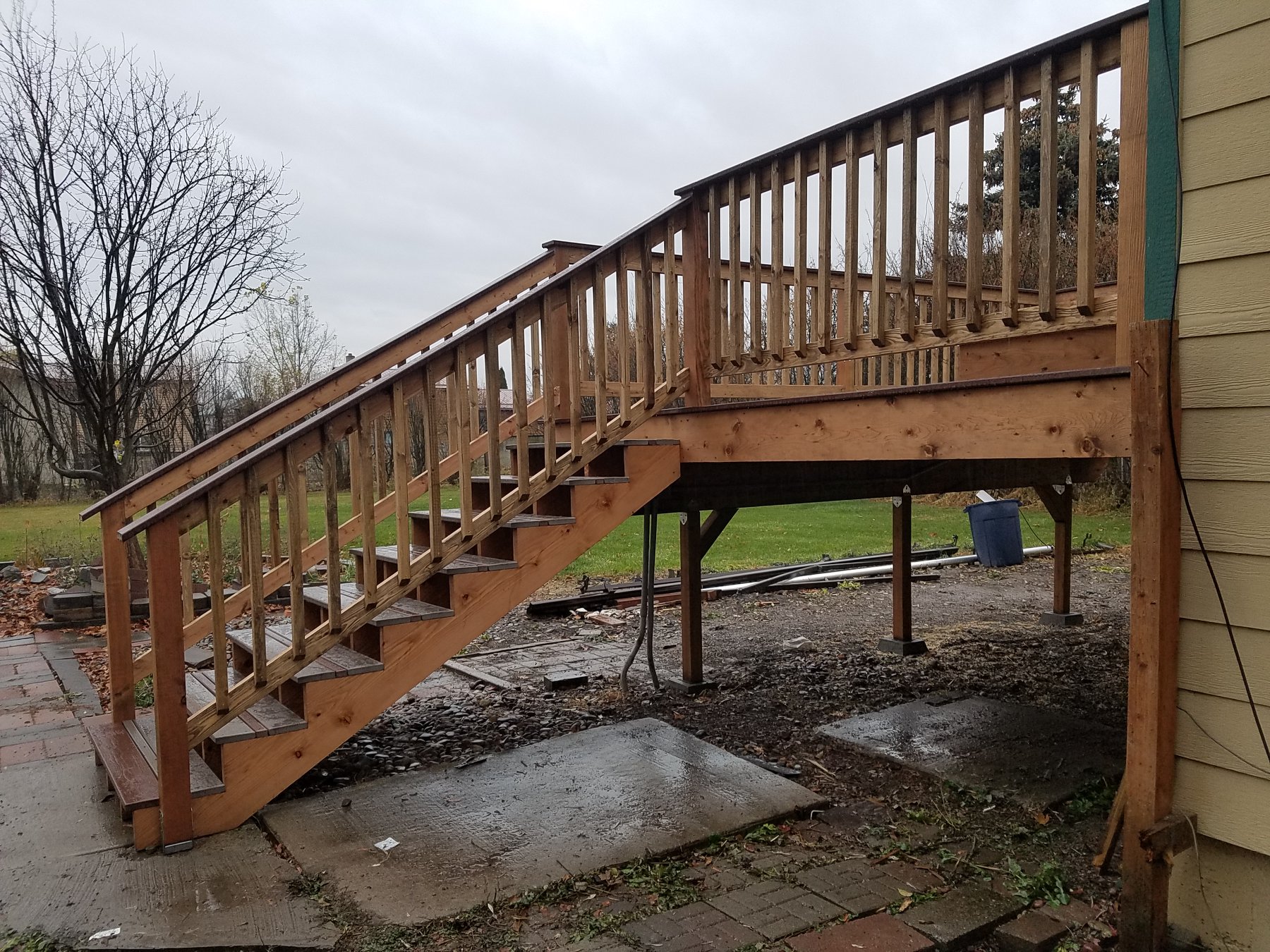
Patios, porches, and decks can be rejuvenated with weatherproofing stains and sealants. These help to defend against rain, snow, and damaging UV rays. Choosing the right material can greatly reduce maintenance and enhance longevity. Composite materials are more resistant to weather than natural wood and require less upkeep, making them a fantastic choice for outdoor areas.
Finally, don't underestimate the role of landscaping in weatherproofing. A well-designed landscape can divert water away from the foundation and support proper drainage. Planting trees and shrubs in strategic locations can act as windbreaks, reducing wind chill on your home during colder months. Conversely, during hot summer days, these plants can offer shade, keeping your home cooler.
In conclusion, weatherproofing your home is a multi-faceted approach that includes inspection, repairs, and strategic updates. Mission Mountain Construction is dedicated to guiding you through these processes to ensure your home withstands all of Mother Nature's challenges. With diligent planning and implementation, you can enjoy year-round comfort and efficiency, preserving the beauty and integrity of your home for years to come. Whether you are prepping for winter storms or summer heat waves, these renovation strategies will put you a step ahead, keeping you and your home safe and comfortable.
/filters:no_upscale()/filters:format(webp)/media/55d6ff2f-aecb-4fb1-b8b1-e13f7192ba0d.jpeg)
/filters:no_upscale()/filters:format(webp)/media/f1f1dddb-94e9-47ee-894d-31f077abf16d.jpeg)