Seamless Transitions: Integrating Indoor and Outdoor Living Spaces Mar 13, 2026
Start with a unifying design theme that reflects both your indoor and outdoor spaces. Consider using a consistent color palette, materials, and textures. For example, if your indoor living space features warm woods and natural tones, carry these elements to your outdoor areas. By doing so, you create a visual flow that connects the two areas seamlessly. This design strategy not only enhances the aesthetic appeal but also makes both spaces appear more expansive and inviting.
Incorporating large glass doors or floor-to-ceiling windows can dramatically blur the line between indoor and outdoor spaces. Sliding or bi-fold doors allow for an unobstructed view and, when opened, can make the outside become an extension of your living area. These features are particularly effective in regions with moderate climates, as they facilitate airflow while providing natural light, creating a bright and airy ambiance.
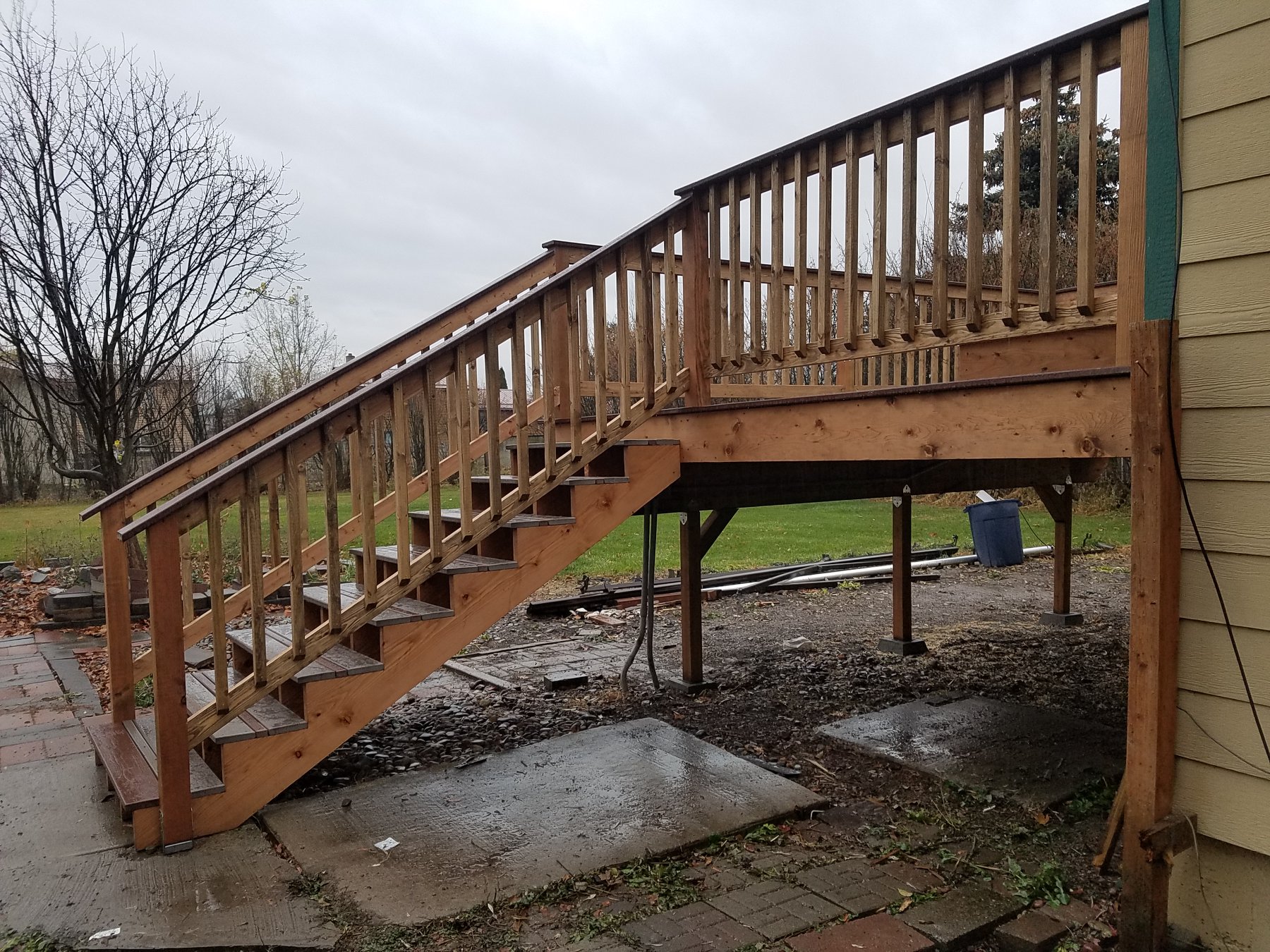
When transitioning to the outdoors, thoughtful landscaping plays a crucial role. The design should complement your interior styling and serve as a natural extension of it. Consider building a patio or veranda, making use of durable materials like stone or composite decking that can withstand weather conditions while maintaining aesthetic continuity. Adding elements such as outdoor furniture, lighting, and accessories can make the space feel as inviting and comfortable as your indoor areas.
Lighting is another critical aspect to consider, both indoors and outdoors. Proper lighting can highlight architectural details and landscaping, creating a visually connected environment. Use similar lighting fixtures and smart technology to control the ambiance and maintain harmony between the spaces, even during nighttime.
Outdoor kitchens and seating areas provide excellent opportunities for homeowners to integrate functionality with comfort. These features allow for convenient social gatherings without the hassle of moving between distant spaces. Incorporate amenities such as a grill, mini-fridge, and ample seating to ensure the outdoor area is not just an aesthetic afterthought but a fully functional part of your home.
Water features are another excellent way to enhance the sensory experience of your outdoor space. Options like fountains or small ponds can add a sense of tranquility and beauty that complements the indoor vibe. The soothing sounds of water can turn any outdoor area into a serene retreat, heightening the relaxing atmosphere that bridges indoor and outdoor living.
Finally, ensure that any remodeling or construction blends seamlessly with your existing home and meets local zoning and environmental regulations. Working with a professional service like Mission Mountain Construction, which understands both the aesthetic and practical aspects, ensures that these enhancements add significant value to your home while providing a welcoming transition to your outdoor spaces.
In conclusion, integrating your indoor and outdoor spaces can transform how you live and entertain. With careful planning and thoughtful design, you can enjoy a harmonious living environment that combines the comforts of the indoors with the natural beauty of the outdoors. When executed properly, these projects not only enhance your home's aesthetics but also enrich your lifestyle, creating a space that you'll enjoy for years to come.
/filters:no_upscale()/filters:format(webp)/media/55d6ff2f-aecb-4fb1-b8b1-e13f7192ba0d.jpeg)
/filters:no_upscale()/filters:format(webp)/media/f1f1dddb-94e9-47ee-894d-31f077abf16d.jpeg)