Resilient Homes: Construction Techniques for Disaster-Proof Living Feb 18, 2026
Understanding the local environment is the first step in creating a disaster-resistant home. Areas prone to earthquakes require different construction approaches compared to those susceptible to hurricanes or floods. Mission Mountain Construction emphasizes the importance of site assessments to determine potential risks and implement appropriate measures. This tailored approach ensures that your home's design effectively counters the specific natural challenges in your area.
One fundamental aspect of building a resilient home is having a robust foundation. We use reinforced steel bars within concrete foundations to improve their strength and flexibility. This method is particularly useful in areas susceptible to seismic activity, as it allows the foundation to absorb and redistribute the movement caused by earthquakes, thus minimizing damage.
For homes located in hurricane-prone areas, wind-resistant construction techniques are paramount. This includes using impact-resistant windows and doors, reinforcing roofs with hurricane straps, and opting for a hip roof design that effectively disperses wind pressure. These measures protect your home from high winds and flying debris, significantly reducing the risk of structural damage.
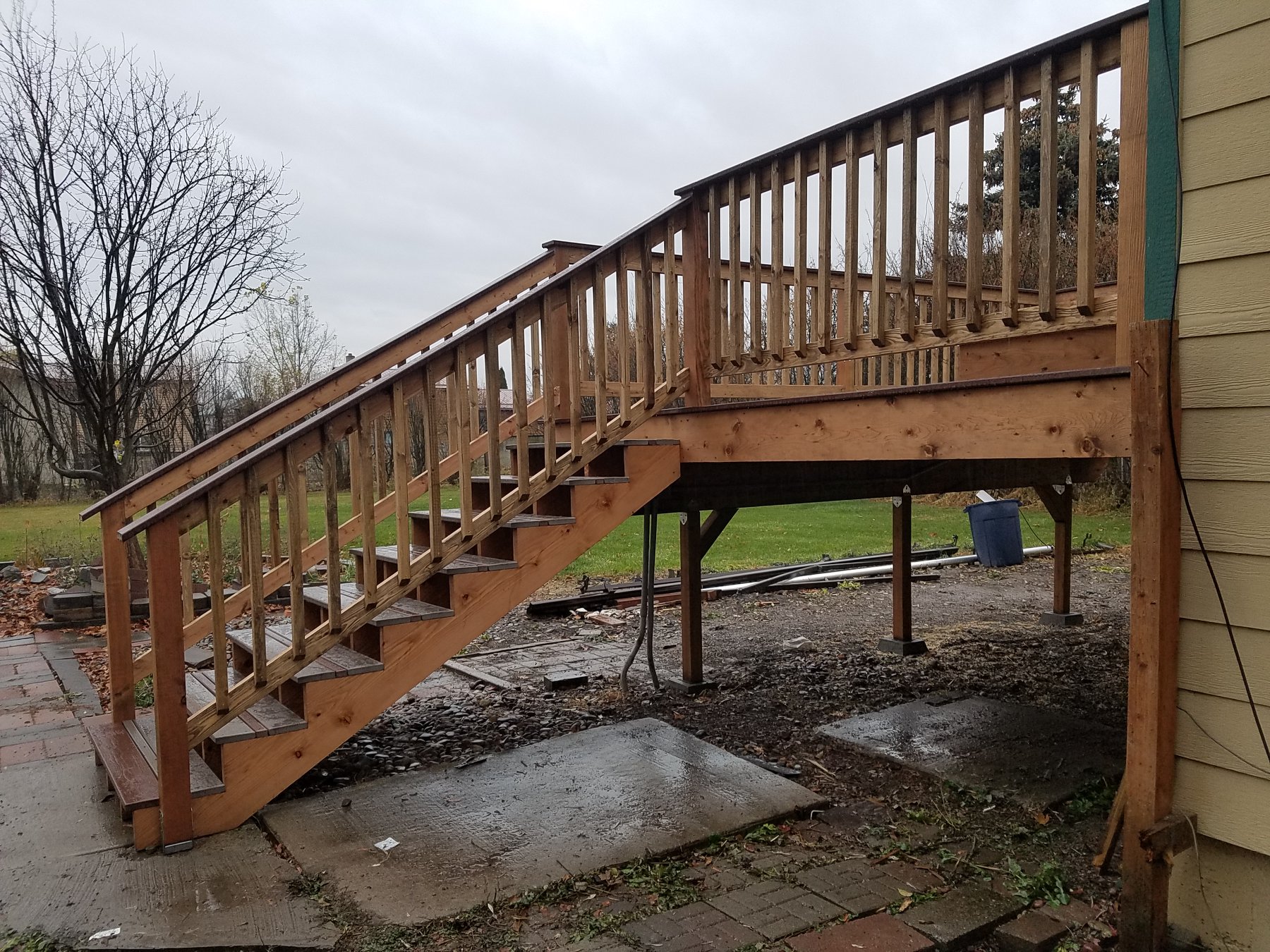
In flood-prone regions, elevating the home's structure above the potential flood level is a crucial strategy. Raised foundations or adjustable post systems keep the main house out of reach of rising waters. Additionally, installing flood vents allows water to flow freely through the foundation, relieving pressure and preventing structural collapse.
Fire resistance is another key consideration for certain areas, especially those near woodlands. Constructing homes with non-combustible materials, such as fiber-cement siding or brick, is a proactive measure. These materials are effective in preventing flames from spreading. Moreover, fire-resistant walls and roofing materials provide an additional layer of protection, crucial for safeguarding the home against wildfires.
While focusing on these construction techniques, it is equally important to ensure the home remains energy efficient and sustainable. Incorporating energy-efficient windows, proper insulation, and renewable energy sources like solar panels not only reduce environmental impact but also enhance the overall safety and comfort of your home.
In addition to structural improvements, technological advancements play a significant role in enhancing home resilience. Smart home systems can integrate weather monitoring tools, providing real-time data and alerts. This technology enables homeowners to take timely preventive actions and reduces the risk of disaster-related damage.
Ultimately, constructing a disaster-proof home involves a combination of innovative design, high-quality materials, and precise execution. At Mission Mountain Construction, we prioritize these elements to ensure that your home is not just visually appealing but also safeguarded against nature's unpredictabilities.
Investing in the right construction methods not only protects your home but also brings peace of mind knowing that your family is safe. By choosing Mission Mountain Construction, you're opting for a team committed to excellence and dedicated to building homes that stand the test of time. With our expertise and customer-focused approach, we help translate your vision into a sturdy, resilient reality.
/filters:no_upscale()/filters:format(webp)/media/55d6ff2f-aecb-4fb1-b8b1-e13f7192ba0d.jpeg)
/filters:no_upscale()/filters:format(webp)/media/f1f1dddb-94e9-47ee-894d-31f077abf16d.jpeg)